$6.7 Million in Residential Solar Sales in Two Years
How a Virginia solar company went from shared leads and unpredictable pipeline to $6.7M in tracked closed revenue using a diversified system with full CRM attribution.
The Situation
When this Virginia residential solar company first reached out to Simple Tree, they were buying leads from a national vendor. The contacts were shared with anywhere from 6 to 8 other solar companies simultaneously. Close rates were running below 8 percent. The sales team was frustrated because they couldn't tell if a bad month was a bad leads problem or a bad closing problem. No attribution existed to figure it out.
They had two salespeople, a small service area primarily in northern Virginia, and a marketing spend that felt like it was going somewhere without anyone being sure where. The owner had been in the industry for seven years and knew the product cold. What he didn't have was a lead system he could actually trust.
The core problem: Shared leads create an attribution black box. You can't optimize what you can't measure, and you can't measure when contacts arrive from a vendor who won't tell you what else they're doing with those names.
Our Approach
Phase 1: Attribution before anything else
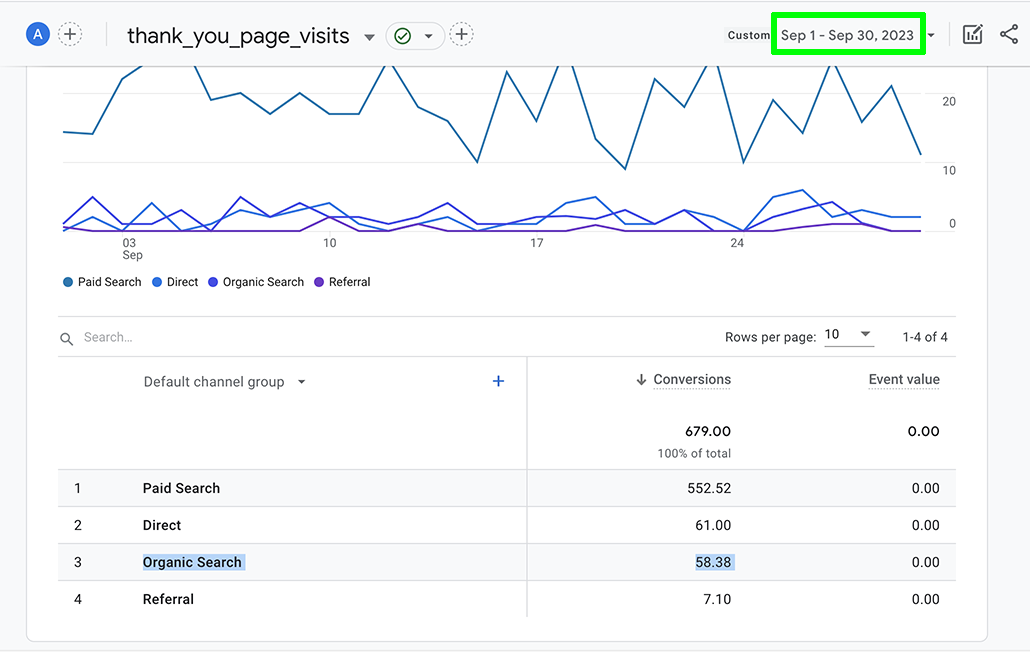
The first thing we did was build an attribution model. Before running a single ad, we connected GHL to their sales process so every contact was tagged by source, and every stage move was time-stamped. After 60 days we had a before-state baseline: what the close rate was by lead type, how long the average sale cycle ran, and what a realistic cost-per-closed-deal looked like on the existing vendor leads.
Phase 2: Diversified exclusive lead channels
We launched Google Ads targeting high-intent solar searches in northern Virginia and the surrounding DC metro area. Simultaneously, we built a Facebook campaign using education-first creative that explained net metering, solar financing, and the specific utility savings applicable to Virginia Dominion Energy customers. The combination gave us two independent lead sources with different audience behaviors and different cost structures.
Phase 3: AI follow-up automation
Speed-to-lead was the biggest lever we pulled. The first SMS from the AI booking system goes out within 5 minutes of a lead submitting. Before we implemented this, the average first contact time was over 4 hours. We compressed it to under 5 minutes. That change alone moved connection rates from 31 percent to 62 percent on new leads, according to the CRM data from the first 90 days of the AI system running.
Phase 4: Organic SEO buildout
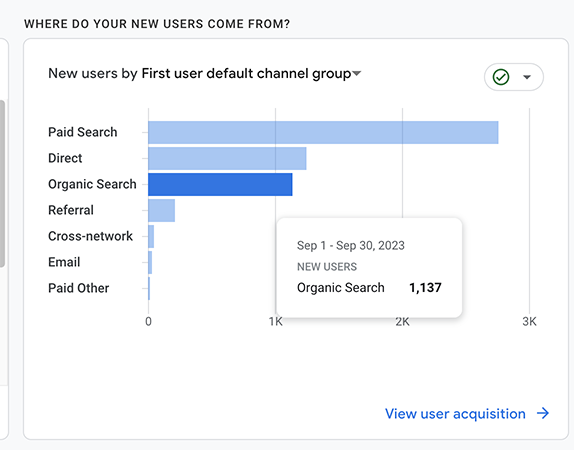
Halfway through year one, we began building the organic layer. Service and city pages covering their full Virginia service area, GBP optimization with a review velocity system, and educational content targeting Virginia-specific solar questions. This layer didn't produce significant lead volume in year one, but by month 18 it had become their second-highest lead source by volume and their lowest cost per lead by far.
The Outcome
Over 24 months, we tracked $6.7 million in closed revenue directly attributed to campaigns we ran. 233 US residential solar installs completed. The sales team grew from 2 to 6 reps on the back of consistent, predictable lead volume. Cost per lead stayed competitive for the Virginia market throughout both years, and kept improving as the organic layer matured.
The owner's reflection at the end of year two was that the biggest change wasn't the leads themselves. It was being able to see what was working. When a month was slow, they could look at the attribution data and identify whether it was a platform issue, a creative issue, or a closing issue. That visibility changed how they made decisions about their business.
What Made This Work
- Full attribution from day one meant every optimization decision was based on actual revenue data, not vanity metrics.
- Exclusive leads removed the shared-vendor competition that was destroying close rates before we started.
- Multi-channel diversification meant one platform having a bad month didn't silence the phone entirely.
- AI follow-up automation compressed speed-to-lead from hours to minutes and ran 24/7 without adding headcount.
- The organic layer compounded over time and eventually provided the cheapest leads in the system.
Key insight: The organic layer takes 6–12 months to contribute meaningfully. The companies that start it late always wish they'd started it earlier. The best time to build your solar SEO foundation is the day you sign on for paid campaigns.
Want the same system?
Book a Free Audit & Roadmap Call
We review every application personally. If your market and team are a fit, you'll hear back within 1 business day.
Apply Now →